A Strategic Foundation for Refined Living
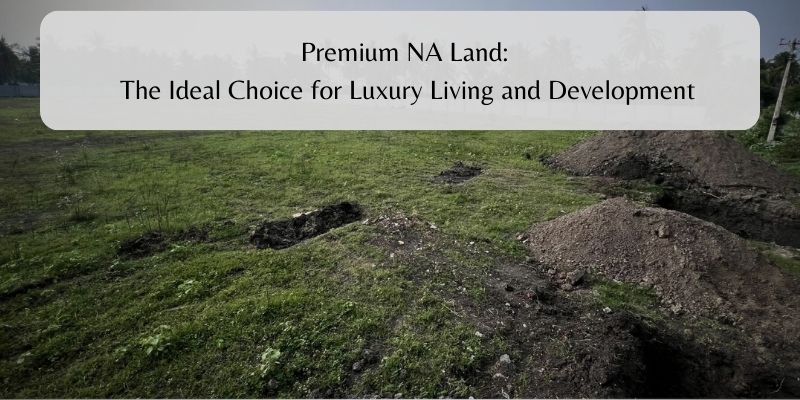
In the evolving landscape of real estate investment, converted plots approved for non-agricultural use are increasingly recognised as secure and future-focused assets. Discerning buyers seeking exclusivity and long-term value often explore premium na land near ambaji gujarat, where regulatory clarity aligns with scenic surroundings and infrastructural growth. Such parcels provide the legal flexibility required for residential construction, hospitality ventures, and lifestyle estates without the procedural limitations associated with agricultural zoning.
Non-agricultural approval signifies that the property has been officially converted for residential or commercial purposes under local planning regulations. This classification ensures that construction, development, and utility connections can proceed lawfully and efficiently. For investors and homebuilders alike, regulatory transparency significantly reduces risk while enhancing asset liquidity.
Why Converted Land Commands Attention
Real estate markets consistently reward clarity and compliance. Approved non-farming plots offer advantages that extend beyond location appeal. Their structured status simplifies planning permissions, accelerates project timelines, and improves resale potential.
Key attributes that attract buyers include:
- Legally sanctioned conversion for residential or commercial construction
- Clear documentation that supports financing eligibility
- Infrastructure accessibility, including roads, electricity, and water supply
- Proximity to pilgrimage routes and tourism-driven growth corridors
- Potential for capital appreciation in emerging development zones
The appeal lies not only in lifestyle possibilities but also in long-term asset resilience.
Location Advantage and Growth Potential
Regions surrounding prominent pilgrimage destinations frequently experience steady infrastructure expansion. Improved connectivity, hospitality growth, and civic development contribute to sustained land value appreciation. The demand for premium na land near ambaji gujarat continues to strengthen as buyers seek tranquil settings combined with accessibility.
Such areas present an attractive combination of spiritual heritage and modern planning expansion. With enhanced road networks and urban planning initiatives, these zones are transitioning into organised residential clusters and boutique development corridors.
Flexibility for Luxury Residences
Converted plots provide the structural freedom necessary for bespoke architecture. Unlike agricultural holdings, which may impose construction restrictions, approved parcels support residential layouts, gated communities, villas, and eco-conscious estates.
Luxury-focused development typically prioritises:
- Spacious plot dimensions for privacy
- Landscape integration with natural surroundings
- High-end architectural design flexibility
- Compliance with urban planning norms
- Long-term ownership clarity
This combination of legal assurance and environmental appeal positions such properties as ideal foundations for refined living environments.
Investment Security and Regulatory Clarity
For real estate investors, legal due diligence determines project viability. Approved non-agricultural classification eliminates uncertainty related to land-use conversion. Financial institutions often prefer such assets because documentation aligns with lending frameworks.
Furthermore, clearly zoned plots enable smoother resale transactions. Buyers value properties that avoid administrative ambiguity. Transparent ownership records and sanctioned usage rights enhance overall confidence in the acquisition process.
Strategic Appeal for Developers
Developers evaluating expansion opportunities prioritise areas with long-term growth indicators. Access routes, tourism flow, and urban spillover contribute to sustained demand for housing and commercial infrastructure.
Midway through planning considerations, many developers explore non agricultural land near ambaji temple due to its balanced positioning between spiritual tourism and residential growth. This proximity supports hospitality ventures, boutique resorts, retirement communities, and gated villa projects designed for affluent clientele.
The strategic appeal stems from a blend of demand drivers:
- Consistent visitor influx
- Expansion of civic amenities
- Rising second-home ownership trends
- Infrastructure modernisation initiatives
- Enhanced connectivity to surrounding districts
Such factors contribute to stable and scalable development prospects.
Lifestyle and Environmental Harmony
Beyond regulatory and financial considerations, lifestyle value plays a decisive role in land acquisition decisions. Areas near pilgrimage destinations often retain natural serenity while benefiting from gradual urban integration.
Buyers prioritising wellness-oriented living appreciate:
- Cleaner air and lower density compared to metropolitan centres
- Scenic landscapes suitable for landscaped estates
- Opportunities for eco-sensitive architecture
- Quiet surroundings conducive to retreat-style residences
This blend of tranquillity and connectivity creates an environment aligned with contemporary luxury living expectations.
Planning for Long-Term Appreciation
Real estate markets reward foresight. Investors who secure converted plots in emerging zones often witness value appreciation as infrastructure matures. Road expansions, commercial establishments, and residential clusters contribute to price growth over time.
Unlike speculative agricultural holdings, approved plots present tangible development potential from the outset. Their capacity to accommodate residential or mixed-use construction enhances liquidity and investment security.
In evaluating long-term prospects, buyers consider:
- Urban expansion trajectories
- Tourism-linked economic activity
- Regulatory stability
- Community planning initiatives
- Availability of civic services
Each of these indicators reinforces the suitability of converted plots for both lifestyle and commercial aspirations.
Balancing Exclusivity and Accessibility
Luxury living increasingly demands a balance between peaceful surroundings and essential connectivity. Converted parcels in pilgrimage-adjacent regions often satisfy both requirements. They provide distance from dense city congestion while maintaining road access to educational institutions, healthcare facilities, and retail centres.
This equilibrium supports permanent residency, weekend retreats, and high-end hospitality projects alike. It also strengthens rental and resale potential, particularly among buyers seeking spiritually significant yet comfortable living environments.
Conclusion
Approved plots designated for residential and commercial development offer a compelling combination of legal certainty, architectural flexibility, and growth potential. Their strategic positioning near pilgrimage corridors enhances both lifestyle value and long-term appreciation prospects.For discerning investors and developers evaluating na land in ambaji, informed decision-making grounded in regulatory clarity and infrastructure assessment remains essential. As presented by Ambaji Land, understanding the structural, environmental, and economic strengths of converted plots enables sustainable investment aligned with refined living standards and responsible development objectives.