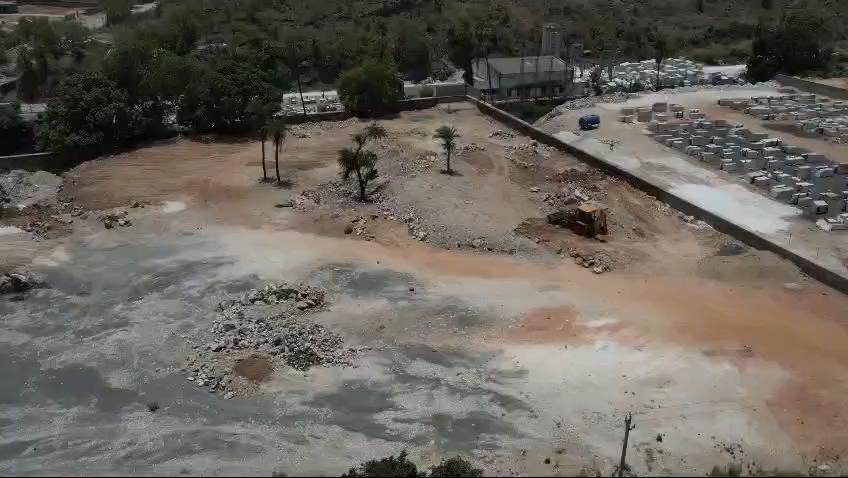
Land ownership and development in India is shaped by clearly defined legal classifications, each carrying specific rights and responsibilities. Among these, Non-Agricultural land—commonly referred to as NA land—has gained growing attention from investors, developers, and individuals planning long-term projects. Understanding its legal framework, potential uses, and compliance requirements is essential before making any decisions. This clarity becomes particularly important when evaluating options such as na land in banaskantha gujarat, where development interest has steadily increased due to regional growth and connectivity.
Understanding What NA Land Means
NA land refers to parcels officially converted from agricultural use to non-agricultural status by the relevant authority. This conversion legally permits activities beyond farming, including residential construction, commercial establishments, industrial facilities, or institutional use.
Without NA status, development on agricultural land is restricted. Conversion therefore acts as a legal gateway, aligning land usage with planning regulations and local development norms.
Why NA Status Matters for Development
The distinction between agricultural and non-agricultural land is not merely administrative. It directly affects how land can be utilised, financed, and transferred. NA land offers greater flexibility, enabling lawful construction and infrastructure development.
Banks and financial institutions are also more inclined to fund projects on NA land, as regulatory clarity reduces risk. This makes such parcels more accessible for structured development initiatives.
Legal Process of Converting Land to NA
Conversion to NA status involves an application to the district or local authority, supported by ownership documents, land records, and proposed land use details. Authorities assess factors such as zoning plans, environmental considerations, and surrounding infrastructure before granting approval.
Once approved, the land’s official records reflect its new status. This update is crucial, as it ensures compliance during future transactions or development approvals.
Permitted Uses and Zoning Alignment
NA land use is often categorised further based on zoning regulations. Residential, commercial, industrial, and mixed-use classifications determine what type of construction is permissible.
Understanding zoning alignment helps buyers ensure that intended use matches approved parameters. This avoids legal complications and supports smoother project execution.
Documentation and Due Diligence Essentials
Thorough verification remains essential when dealing with NA land. Key documents include title deeds, conversion orders, land record extracts, and local authority approvals.
Due diligence also involves checking for encumbrances, access rights, and compliance with local development plans. These checks protect buyers from disputes and regulatory challenges.
Investment Perspective and Market Interest
NA land is often viewed as a strategic investment due to its development potential. Demand tends to increase in regions experiencing infrastructure expansion, tourism growth, or urban spillover.
Areas attracting attention for residential and commercial growth have seen rising interest, including regions where buyers explore opportunities such as land for sale in ambaji gujarat to align investment with regional development trends.
NA Land and Construction Readiness
While NA status permits construction, additional approvals may still be required. Building plans must comply with local bylaws, safety standards, and environmental regulations.
Securing these permissions ensures projects progress legally and efficiently. NA status simplifies this process by establishing lawful development intent from the outset.
Taxation and Compliance Considerations
NA land is subject to different tax structures compared to agricultural holdings. Property tax, development charges, and local levies may apply depending on usage and jurisdiction.
Understanding these obligations supports accurate financial planning and prevents compliance issues over time.
Regional Development and Location Advantage
Location significantly influences NA land value. Proximity to transport networks, urban centres, and essential services enhances both usability and appreciation potential.
In Banaskantha district, development activity has gradually expanded beyond traditional agricultural use, prompting interest in plots aligned with future infrastructure growth. This includes areas where buyers evaluate options like land for sale in ambaji banaskantha to balance location appeal with regulatory clarity.
Risk Management Through Regulatory Awareness
One of the most common risks in land transactions arises from incomplete regulatory understanding. NA land mitigates some of these risks by clarifying permissible use, yet vigilance remains necessary.
Awareness of local planning updates, zoning revisions, and infrastructure projects helps landowners anticipate changes that may affect value or usage.
Long-Term Planning and Asset Utilisation
NA land supports diverse long-term objectives. Whether intended for personal development, commercial ventures, or portfolio diversification, its flexibility allows owners to adapt plans over time.
This adaptability enhances asset resilience, especially in regions undergoing steady transformation.
Key Aspects to Understand About NA Land
- Legal conversion from agricultural classification
- Broader development and construction permissions
- Importance of zoning and planning alignment
- Enhanced financing and transfer flexibility
- Long-term investment and development potential
Conclusion: Making Informed Decisions About NA Land
NA land represents a critical link between regulatory compliance and development opportunity. Its legal clarity supports construction, financing, and structured planning while reducing uncertainty associated with agricultural holdings. For those evaluating opportunities such as land for sale in banaskantha gujarat, understanding NA classification is essential to making informed, future-ready decisions. Within this evolving regional landscape, Ambaji Land reflects the importance of clear information and regulatory awareness in navigating NA land opportunities with confidence and long-term perspective.