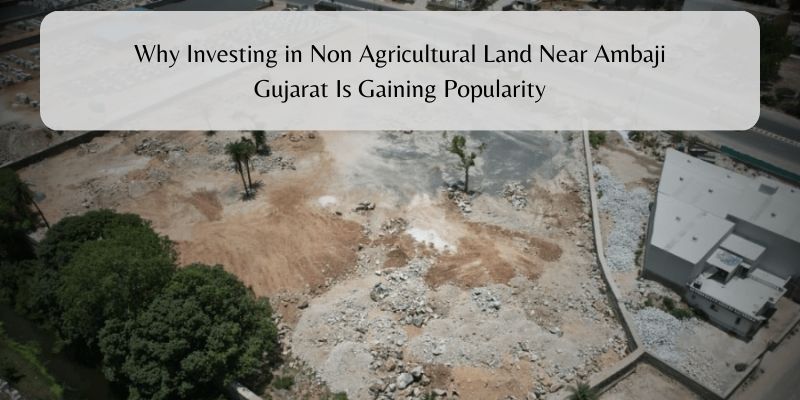
Strategic real estate investment increasingly revolves around location, long-term growth potential, and regulatory clarity. In recent years, non agricultural land near ambaji gujarat has emerged as a compelling choice for investors seeking both stability and appreciation. The region’s spiritual prominence, improving connectivity, and expanding infrastructure have created a favourable environment for plotted development and asset diversification. As demand gradually shifts from congested urban centres to well-connected emerging destinations, Ambaji stands out as a promising corridor for future-oriented investment.
Ambaji, known for its revered temple and steady pilgrimage flow, has long been a centre of religious tourism. However, its appeal now extends beyond devotion. The surrounding region offers serene landscapes, planned development opportunities, and accessible road networks linking key cities in Gujarat and neighbouring Rajasthan. This combination of cultural significance and infrastructural progress enhances its real estate relevance.
Strategic Location with Expanding Connectivity
Connectivity significantly influences property appreciation. Ambaji’s improved road infrastructure and accessibility from major highways strengthen its viability for plotted investment. Proximity to tourism routes ensures consistent footfall, which indirectly supports commercial growth and hospitality expansion.
Investors recognise the importance of:
• Proximity to established pilgrimage centres
• Access to state highways and arterial roads
• Developing residential layouts
• Expanding tourism-driven commerce
• Growing hospitality infrastructure
Such factors contribute to sustained interest in plotted developments within the region.
Regulatory Clarity and Investment Security
One of the primary reasons investors gravitate toward converted plots is regulatory transparency. Properties approved for non-farming use provide clearer development permissions compared to farmland. This legal clarity reduces uncertainty and supports long-term planning.
Converted plots allow for:
• Residential construction
• Holiday home development
• Commercial establishments
• Investment holding for appreciation
• Structured resale opportunities
This flexibility strengthens the appeal of such assets for individuals and institutional investors alike.
Rising Demand for Second Homes and Retreat Spaces
Urban congestion and fast-paced lifestyles have increased interest in second homes located in tranquil settings. Ambaji’s natural surroundings, combined with spiritual ambience, make it attractive for weekend retreats and retirement living.
Buyers often consider:
• Peaceful surroundings away from city congestion
• Access to religious and cultural landmarks
• Cooler climate compared to urban heat zones
• Community-based plotted developments
• Long-term appreciation potential
As demand for wellness-oriented living spaces grows, plotted investments in serene regions gain momentum.
Tourism-Driven Economic Activity
Religious tourism contributes to consistent economic activity throughout the year. Hotels, guesthouses, retail outlets, and eateries thrive in pilgrimage hubs. This steady inflow of visitors strengthens ancillary businesses and boosts property demand.
Investors exploring opportunities in the region frequently assess prime na land for sale in ambaji due to its alignment with tourism-linked commercial prospects. Plots located near key access routes or pilgrimage centres hold significant appreciation potential over time.
Tourism-linked advantages include:
• Continuous visitor flow
• Seasonal festival-driven footfall spikes
• Expansion of hospitality ventures
• Demand for rental accommodations
• Local business growth
These dynamics contribute to steady value enhancement in strategically positioned plots.
Long-Term Capital Appreciation
Real estate appreciation often follows infrastructure expansion. As civic amenities, road connectivity, and commercial establishments develop, surrounding properties experience upward valuation trends.
Plots in designated zones offer scope for:
• Future residential colonies
• Commercial complexes
• Gated community projects
• Hospitality ventures
• Institutional establishments
Investors seeking medium- to long-term returns evaluate na land for sale near ambaji location based on development potential, accessibility, and regulatory approvals. Such evaluation ensures informed acquisition decisions.
Portfolio Diversification Through Plotted Assets
Diversifying investments across asset classes enhances financial resilience. Plotted developments provide tangible security compared to volatile financial instruments. Unlike built structures, vacant plots often involve lower maintenance costs while retaining appreciation potential.
Advantages of plotted investment include:
• Lower upkeep expenditure
• Flexibility in development timeline
• Transparent ownership documentation
• Potential for phased construction
• Enhanced resale value during growth phases
This makes plotted acquisitions appealing for both first-time investors and seasoned portfolio managers.
Infrastructure Growth Supporting Expansion
Government initiatives aimed at improving rural and semi-urban connectivity contribute to regional development. Upgraded roads, enhanced utilities, and improved civic facilities gradually transform emerging destinations into thriving residential hubs.
Infrastructure development influences:
• Accessibility for daily commuting
• Improved water and electricity supply
• Growth of retail and service establishments
• Expansion of educational and healthcare facilities
• Rising investor confidence
As such facilities expand, property demand typically strengthens.
Emotional and Cultural Value
Beyond financial considerations, Ambaji carries significant cultural resonance. Investors often value emotional attachment to spiritually significant regions. Ownership of property in such areas provides both personal fulfilment and tangible asset security.
Cultural significance enhances:
• Long-term desirability
• Sustained tourism interest
• Stable demand patterns
• Community-based development
• Enhanced regional recognition
These elements collectively contribute to rising investor interest.
Conclusion
The increasing popularity of plotted investment in Ambaji stems from strategic location advantages, tourism-driven growth, regulatory clarity, and long-term appreciation potential. As infrastructure expands and demand for second homes strengthens, na land in ambaji continues to attract discerning investors seeking balanced growth and asset security. For individuals exploring credible opportunities in this evolving destination, Ambaji Land serves as a resource aligned with structured investment planning and regional expertise.