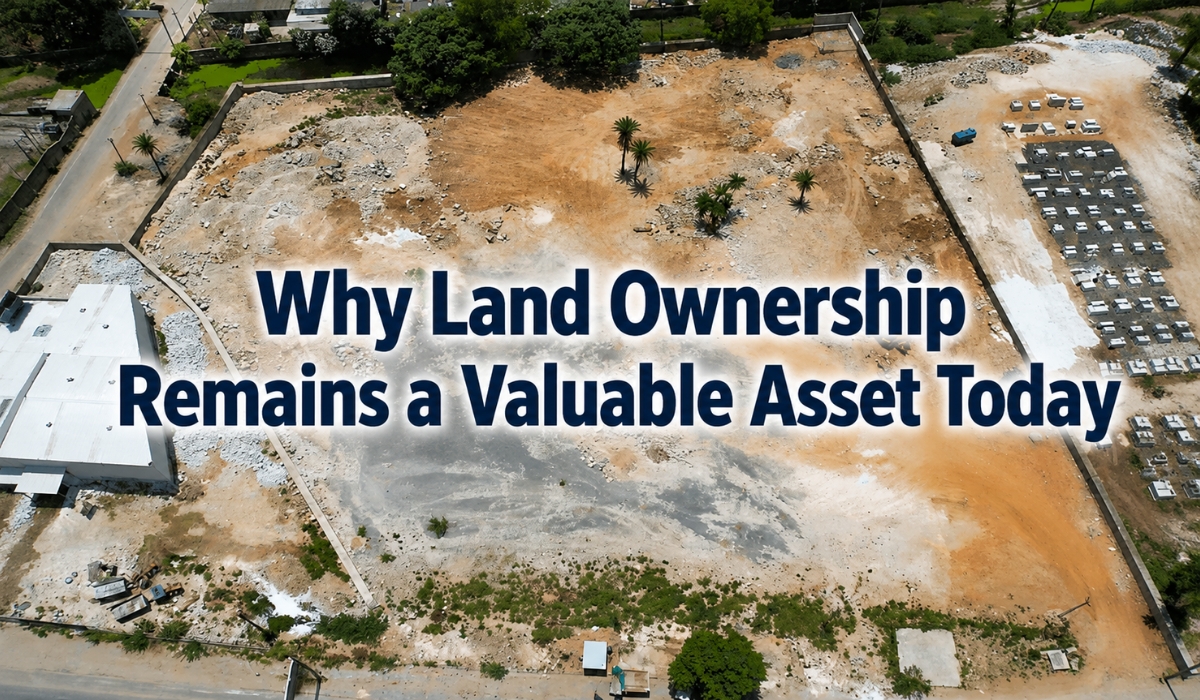
Land ownership has consistently remained one of the most reliable forms of long term investment. Unlike many financial assets that fluctuate rapidly, land provides stability, tangible ownership, and future growth potential. As urbanization expands and infrastructure projects continue to develop across different regions, land has become increasingly important for residential, commercial, and investment purposes. The growing interest in NA land in Ambaji reflects how strategically located properties continue to attract individuals seeking secure and long lasting assets.
The Long Term Stability of Land Ownership
Land is considered a finite resource, which naturally contributes to its long term value. As populations grow and urban areas expand, the demand for well located land parcels often increases steadily over time.
Important reasons land ownership remains valuable include:
- Long term appreciation potential
- Tangible and secure asset ownership
- Flexibility for future development
- Lower maintenance compared to constructed properties
- Potential for wealth preservation
Land ownership also provides greater control over usage and future planning, making it suitable for investors, families, and businesses seeking stable assets.
Because land does not depreciate in the same way as buildings or machinery, it is often viewed as a dependable component of long term financial planning.
The Importance of Location in Land Investments
Location plays a major role in determining the future value and usability of land. Regions experiencing tourism growth, infrastructure development, and improved connectivity often attract stronger investor interest.
Many buyers exploring NA land in Ambaji Banaskantha focus on areas that offer future growth opportunities and better accessibility.
Land Ownership and Financial Security
Land ownership is often associated with financial stability because it provides a physical asset that can retain value over long periods. Many investors prefer land because it supports diversification and reduces dependence on highly volatile financial markets.
Benefits of land ownership include:
- Long term wealth creation
- Reduced exposure to market fluctuations
- Potential resale opportunities
- Future development possibilities
- Generational asset transfer
Land can also support different future uses depending on changing economic conditions and development trends, making it a flexible investment choice.
This adaptability contributes to its continued importance in both personal and commercial financial planning strategies.
Infrastructure Development and Future Growth
Infrastructure expansion significantly impacts land value and investment demand. Improved roads, transportation systems, utilities, and commercial activity often increase the attractiveness of surrounding areas.
The increasing demand for NA land for sale near Ambaji location reflects how connectivity and regional development influence real estate investment decisions.
Important infrastructure related benefits include:
- Improved transportation access
- Growth of tourism and commerce
- Increased residential demand
- Better utility and service availability
- Higher development potential
As infrastructure projects continue to expand into developing regions, land ownership becomes increasingly valuable for long term planning and investment growth.
Investors who evaluate future development trends often gain stronger opportunities for appreciation and financial returns.
Why Land Continues to Be Relevant in Modern Investments
Modern investment strategies increasingly emphasize tangible assets that offer long term security and future flexibility. Land remains relevant because it supports multiple development possibilities while maintaining intrinsic value over time.
Current trends supporting land investment include:
- Expansion of urban boundaries
- Increased demand for residential development
- Growth in tourism related investments
- Preference for long term stable assets
- Rising infrastructure investments
Land ownership also aligns with long term wealth management goals by providing a durable and adaptable asset suitable for changing market conditions.
As economic development continues across emerging regions, strategically located land is expected to remain an important part of future investment portfolios.
FAQs
Why is land considered a stable investment?
Land is a tangible asset with limited supply and strong long term appreciation potential.
What factors influence land value?
Location, infrastructure development, accessibility, and regional growth significantly affect land value.
Is land ownership suitable for long term financial planning?
Yes, land is often viewed as a reliable asset for wealth preservation and future investment growth.
How does infrastructure impact land investments?
Improved roads, utilities, and connectivity generally increase demand and property value.
Why do investors prefer strategically located land?
Strategic locations often offer stronger appreciation potential and greater development flexibility.
Conclusion
Land ownership continues to remain a valuable asset because it provides stability, long term appreciation potential, and flexibility for future development. As infrastructure and regional growth expand, strategically located properties become increasingly important for investors and individuals seeking secure financial assets. The growing interest in NA land for sale in Ambaji reflects the ongoing demand for land investments that support future growth and wealth preservation. Organizations like Ambaji Land contribute to this evolving real estate landscape by supporting access to strategically located investment opportunities aligned with modern development trends.